
Nearly 20 years of the Baltic Sea Challenge, driving systematic water protection
From a voluntary joint commitment into a systematic, city wide approach to water protection. Supported by a strong partner network, it drives coordinated action across sectors.
Nearly two decades after its launch, the Baltic Sea Challenge (BSC), a joint initiative started by the cities of Helsinki and Turku in 2007, has fundamentally changed how these two major Finnish cities tackle water protection. What began as a voluntary commitment by the mayors to take extra measures beyond legal requirements for the Baltic Sea’s health has grown into a structured, long-term approach embedded in city governance.
Today, Helsinki and Turku plan, coordinate, and lead water protection work systematically: both cities has a dedicated Baltic Sea coordinator and internal cross-departmental working groups to integrate Baltic Sea actions into everyday operations.
In practice, this means water protection is no longer ad hoc; it is guided by clear action plans, high-level political support, and routine follow-up in city departments, which has helped mainstream effective measures like improved stormwater management and green infrastructure into the cities’ standard practices.
Together, the cities of Helsinki and Turku are home to nearly one million people, roughly one sixth of Finland’s total population, which means their activities have a significant impact on the country’s coastal waters and on the everyday lives of many Finns.
Extensive collaboration through a member network
From the start, the BSC was designed not only to encourage action within Helsinki and Turku, but also to build a broad network of collaborators. Over 300 organisations, including other municipalities, businesses, NGOs, and schools, have joined this free-of-charge network to date. Through regular events, workshops, and communications, the network functions as a low-threshold platform where participants share solutions, tips, and lessons learned in water conservation work.
This open networking has bred a culture of trust and easy communication: for example, an environmental planner in one city can directly call a counterpart in another to swap advice on stormwater management or biodiversity projects simply because they have gotten to know each other via BSC cooperation.
Such informal peer-to-peer collaboration, enabled by the BSC, accelerates the spread of best practices and innovative ideas across organisational boundaries. The network’s “everyone knows someone” atmosphere has made tackling complex Baltic Sea issues a more collective effort, rather than each city or group working in isolation.
The fourth Action Programme is on track, major recent achievements in Marine Protection
As the BSC moves through its latest action programme, both Helsinki and Turku are preparing marine environments conservation areas. The City of Helsinki also approved a new Nature Conservation Area Programme in 2025 that will dramatically boost protected areas on both land and sea.
This ambitious plan calls for 22 new marine conservation sites by 2040, which will increase Helsinki’s marine protected areas roughly tenfold (from about 1% of city waters currently to nearly 12%).
In both Helsinki and Turku, marine protection is now integrated into city strategies; for instance, the new programme in Helsinki specifically targets safeguarding key underwater habitats by establishing permanent conservation zones. In Turku, a similar nature conservation programme is currently under preparation and is expected to be decided during the course of 2026.
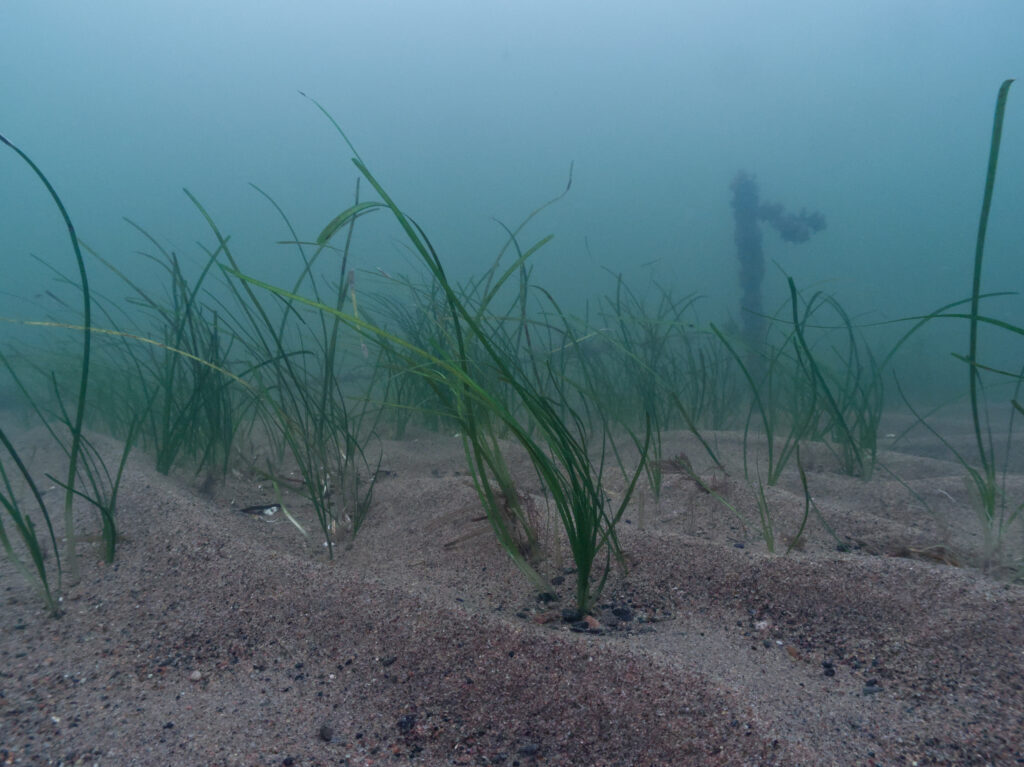
Helsinki continued also efforts to replant and expand eelgrass meadows along the capital’s shoreline in co-operation with John Nurminen Foundation. Eelgrass beds are vital underwater habitats and effective carbon sinks, and Helsinki’s work aims to revive these ecosystems in areas where they have declined. During summer 2026, also restoration of bladderwrack is being piloted.
A less visible but structurally important example of how the Action Programme is implemented in practice is Turku’s sustainable urban water management map (map/kartta 5), which was introduced as part of the city’s General Plan 2029. This planning tool spatially identifies water flows, flood risks, and runoff management needs to support land-use planning and zoning decisions.
By using the map, Turku’s planners ensure that stormwater control and water protection measures are integrated into new developments from the earliest planning stages, rather than added as afterthoughts. This approach, introduced in recent years, remains pioneering among cities and highlights Turku’s leadership in climate adaptation and water-sensitive urban design.
Furthermore, Turku and Helsinki have jointly advanced marine conservation efforts: both cities, for example, have coordinated steps to protect coastal and archipelago areas, often sharing data and aligning actions. One recent cooperative effort involved parallel measures to protect and monitor coastal water quality, with Turku gathering new types of data from its archipelago waters in collaboration with local universities and neighbouring municipalities, complementing Helsinki’s marine habitat work.
Celebrating progress and building what´s next
Approaching its 20th anniversary, the BSC stands out as a model of how sustained city-to-city cooperation can yield lasting environmental impact. It has proven that when municipalities take voluntary leadership on an issue like the Baltic Sea’s health, and back it up with dedicated roles, clear goals, and partnerships, they not only reduce pollution and improve local waters, but also change the way government and stakeholders work together.
The initiative’s fourth joint Baltic Sea Action Plan (2024-2028) continues this trajectory, with renewed focus on curbing urban runoff impacts, boosting biodiversity, and broadening participation in water protection.
As Helsinki and Turku implement that plan, their nearly 20-year collaboration is paying visible dividends: cleaner coastal waters, stronger marine biodiversity protections, and a vibrant network of experts and organisations ready to act together for the Baltic Sea. The legacy of the BSC is not just in the tons of pollutants reduced or hectares of habitat restored, it is in establishing a new norm of integrated, cooperative water protection that is inspiring others across Europe to follow.
Beyond the achievements of Helsinki and Turku, there is much to celebrate in the remarkable actions of the network. Members across the Baltic Sea region have reduced nutrient loads through agricultural and forestry solutions, improved stormwater management in new urban areas, piloted measures to reduce marine litter and microplastics, expanded underwater biodiversity mapping, and strengthened water responsibility in procurement and business practices. Schools, cities, companies, and NGOs have together made everyday choices more Baltic Sea-friendly – from small actions to major investments.
Thanks to these efforts, we are moving steadily towards our shared vision: a clean, productive, and shared Baltic Sea.